
Search

Eight The Kids Research Institute Australia-led projects will benefit from the latest round of WA Child Research Fund (WACRF) grants, announced this week by Medical Research Minister Stephen Dawson.
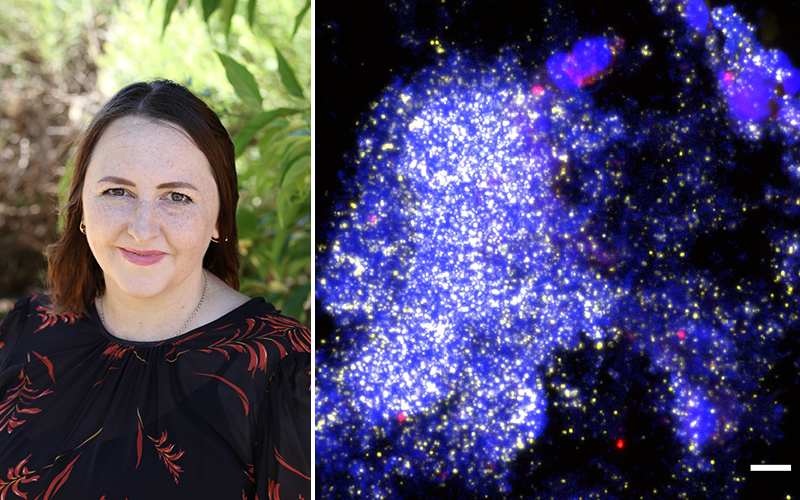
Researchers using powerful microscopes have identified bacterial slime in the lungs of some children with persistent wet coughs.
The airway mucosal epithelium is the main gateway of entry for numerous human respiratory viruses, including human influenza virus, respiratory syncytial virus, coronavirus, and rhinoviruses. For respiratory viruses to perpetuate infection, they must be able to traverse the airway mucosal epithelium and then spread into distal sites of the respiratory tract and lung parenchyma.
Chronic obstructive pulmonary disease (COPD) is a complex disorder with a high degree of interindividual variability. Gastrointestinal dysfunction is common in patients with COPD and has been proposed to influence the clinical progression of the disease. Using the presence of bile acid(s) (BA) in bronchoalveolar lavage (BAL) fluid as a marker of gastric aspiration, we evaluated the relationships between BAs, clinical outcomes and bacterial lung colonisation.
Despite a high burden of respiratory disease among infants globally, limited options exist for lung function testing in this age group. Tidal breathing techniques such as oscillometry allow for understanding the pathophysiology of diseases that originate early in life, thus providing the opportunity to develop timely prevention and treatment strategies.
Phage therapy is a promising approach against multidrug-resistant infections, yet systemic administration can lead to incomplete cures. We investigated the distribution, immune responses, and efficacy of the therapeutic phage KPP10 delivered via intranasal or intraperitoneal routes in murine Pseudomonas aeruginosa lung infection models.
Mycobacteroides abscessus (MABS) is within the non-tuberculous mycobacteria family. It inhabits soil and water, exhibits multi-antibiotic resistance and causes opportunistic lung infections, which may progress to symptomatic MABS-pulmonary disease (MABS-PD) associated with substantial morbidity, increased healthcare utilisation, impaired quality of life and increased mortality.
Survivors of preterm birth (<37 weeks' gestation) have low peak oxygen uptake, a global measure of aerobic fitness and an established predictor of increased morbidity and mortality. However, little is known about other cardiopulmonary outcome measures in this population. We addressed the hypothesis that preterm birth is associated with abnormal respiratory, cardiovascular and metabolic responses to exercise, as assessed by cardiopulmonary exercise testing, via a systematic review and meta-analysis.
Understand how bronchopulmonary dysplasia (BPD) and antenatal and postnatal factors influence diaphragmatic functional effectiveness in very preterm infants.
Nasal epithelial cells from young adults with a history of very preterm birth show delayed closure following scratch-wounding. Repair correlated with lung function, suggesting epithelial barrier integrity may play a role in preterm-associated lung disease.