
Search
o help raise the profile of student wellbeing in the education system in Australia, The Kids Research Institute Australia and SA Department for Education through the Fraser Mustard Centre, set out to adapt and trial a population-level student wellbeing measure that could be used across the entire public and p
The Language in Little Ones (LiLO) study is a five-year longitudinal study (2017-2021), funded through the National Health and Medical Research Council. The study investigates the quantity and quality of language exposure in the home environment during the first five years of a child’s life.
In South Australian schools, students in Grade 4 to 12 are invited to participate in an annual survey about their wellbeing and engagement in school, referred to as the Wellbeing and Engagement Collection.
In this report, we explore the relationship between student wellbeing, school engagement, and academic achievement.
The aim of the WEC is to help teachers, school leaders and policy makers better understand and support the wellbeing and engagement of their students.
The goals of the current study were to identify different trajectories of sadness from Grade 6 to 9 in Australian school students, and to explore the role that social support from school, teachers, friends and families play in supporting students’ mental health.
It has been well established that children's development at school entry is associated with their later academic achievement, but less is known about whether there is also an association with other measures of school success, such as students' social and emotional wellbeing.
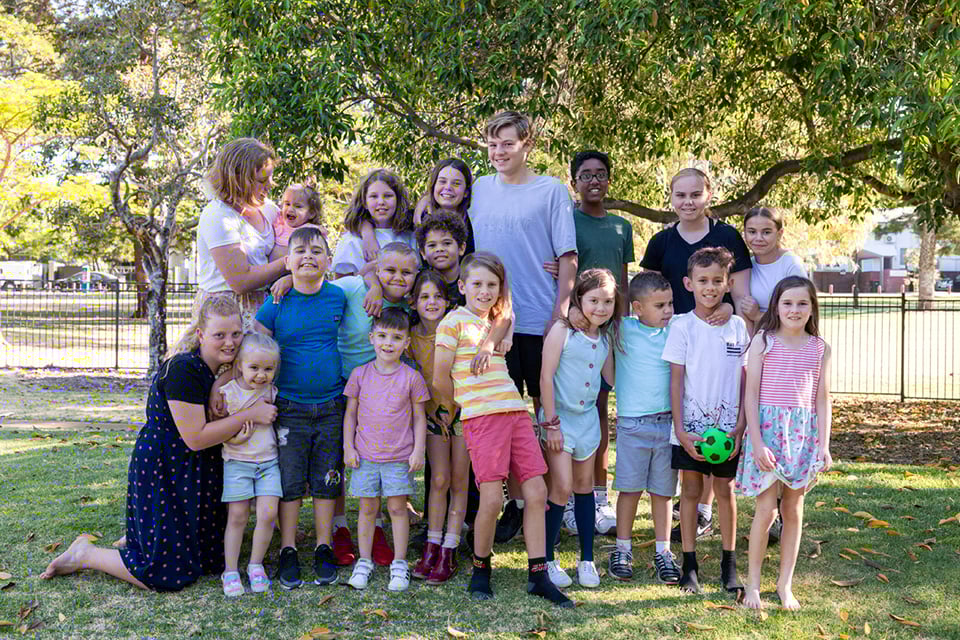
The Human Development and Community Wellbeing (HDCW) Team focuses on improving outcomes for children, family, and the community.