
Search

More than 80,000 Australian children are expected to benefit as 700 childcare centres across the country trial a new program aimed at boosting declining physical activity levels.

The Kids Research Institute Australia and The University of Western Australia researchers have been awarded more than $1 million in funding from Healthway, for projects to improve the mental health of LGBTQA+ young people, encourage early physical activity in childcare centres and create healthier local environme
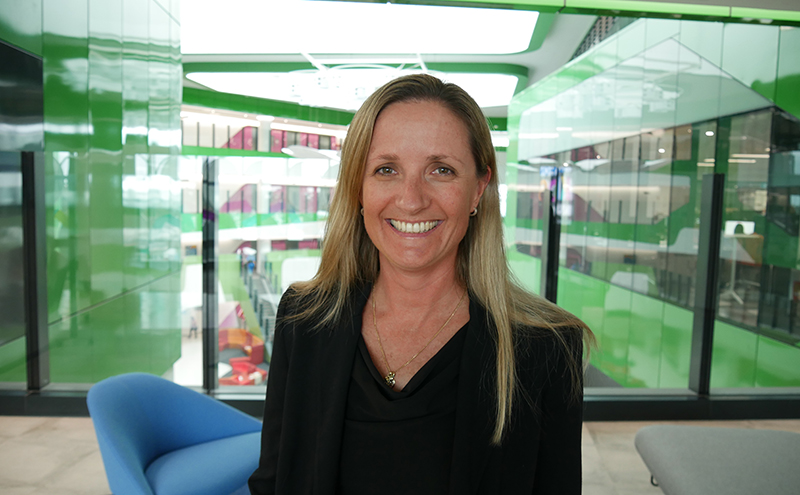
A The Kids Research Institute Australia researcher focused on promoting more active childhoods to improve child health and wellbeing will be named amongst WA’s most outstanding young scientists at the upcoming 2020 Young Tall Poppy Science Awards.
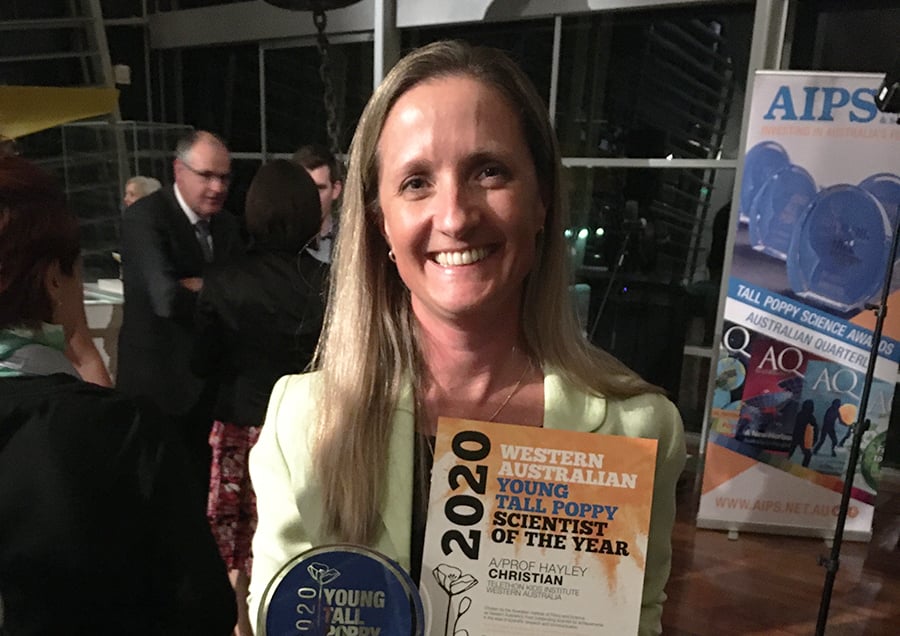
The Kids Research Institute Australia and University of Western Australia physical activity researcher Hayley Christian has been named Young Tall Poppy Scientist of the Year at the 2020 WA Young Tall Poppy Science Awards.

Childcare centres will be invited to help boost children’s physical activity levels by signing on to a new program which commits them to creating more opportunities for physical activity.
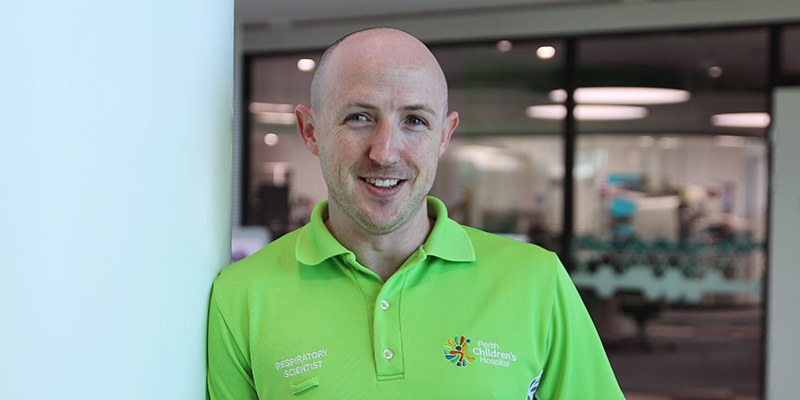
Parents of children born prematurely have expressed concerns about their child’s lung health when they exercise, with symptoms such as breathlessness.
Childhood is a critical period for the development of movement behaviours such as physical activity, sleep and sedentary behaviour. The PLAYCE Cohort was established to investigate how movement behaviours change over early to middle childhood, across key behaviour settings and relationships with health and development. An overview of the PLAYCE cohort, summary of key findings to date, and future research opportunities are presented.
High levels of sedentary behaviour are associated with poor child health outcomes such as obesity. Early childhood education and care (ECEC) services are a key intervention setting. Most ECEC policy-based interventions focus on children's nutrition and physical activity with few aimed at children's sedentary behaviour.
Adaptive behaviour change is central to improving population health, yet poor adoption of health-enhancing behaviours contributes to noncommunicable diseases and so remains a global concern. Research on physical activity behaviour change has continued to expand and evolve since the turn of the millennium, guided by diverse theoretical approaches-from social cognitive theories, organismic dialectical approaches such as Self-Determination Theory, dual-process frameworks, and integrated practical models and taxonomies.
This scoping review considers the experiences of aspiring high school-aged athletes as they navigate the complexities of managing sport, education, social, and family life. The review synthesises existing literature on the decisions, barriers, facilitators, and support systems that influence aspiring athletes' pathways.