Skip to content

Search

ISPAD Clinical Practice Consensus Guidelines 2022: Assessment and management of hypoglycemia in children and adolescents with diabetes

Tim Jones MBBS DCH FRACP MD Co-head, Diabetes and Obesity Research Co-head, Diabetes and Obesity Research Areas of research expertise: Diabetes

Digenic Congenital Hypogonadotropic Hypogonadism Due to Heterozygous GNRH1 p.R31C and AMHR2 p.G445_L453del Variants

A 28-year-old man with congenital hypogonadotropic hypogonadism (CHH) was found to be heterozygous for the GNRH1 p.R31C mutation, reported in the literature as pathogenic and dominant. The same mutation was found in his son at birth, but the testing of the infant at 64 days confirmed the hormonal changes associated with minipuberty.

Mapping breastfeeding and COVID-19 related content and engagement on Facebook: Results from an online social listening study

The COVID-19 pandemic has seen evidence and advice evolve quickly. Since the start of the pandemic there has been confusion and concern about breastfeeding and COVID-19, and advice for this group has at times been contradictory. The volume of information on social media has exacerbated this. This study aimed to understand breastfeeding-related COVID-19 information sharing on social media during the global and Australian vaccine roll-out.

An Assessment of Clinical Continuous Glucose Monitoring Targets for Older and High-Risk People Living with Type 1 Diabetes

To assess relationships between continuous glucose monitoring (CGM) time in range (TIR), 70-180 mg/dL, time below range (TBR), <70 mg/dL, time above range (TAR), >180 mg/dL, and glucose coefficient of variation (CV) in relation to currently recommended clinical CGM targets for older people, which recommend reduced TIR and TBR targets relative to the general type 1 diabetes population. 

Protocol for the Australian Type 1 Diabetes National Screening Pilot: Assessing the feasibility and acceptability of three general population screening models in children

One third of Australian children diagnosed with type 1 diabetes present with life-threatening diabetic ketoacidosis (DKA) at diagnosis. Screening for early-stage, presymptomatic type 1 diabetes, with ongoing follow-up, can substantially reduce this risk (<5% risk). Several screening models are being trialled internationally, without consensus on the optimal approach. This pilot study aims to assess three models for a routine, population-wide screening programme in Australia.

Feasibility and acceptability of implementing an evidence-based ESCALATION system for paediatric clinical deterioration

The ESCALATION system is a novel paediatric Early Warning System that incorporates family involvement and sepsis recognition. This study aimed to assess the feasibility and iteratively refine the ESCALATION system in a variety of hospital settings in preparation for full-service implementation.

Parental experiences of using continuous glucose monitoring in their young children with early-stage type 1 diabetes: a qualitative interview study

To explore parents' experiences of using continuous glucose monitoring in their young children with early-stage type 1 diabetes, being followed in the Australian Environmental Determinants of Islet Autoimmunity (ENDIA) study.

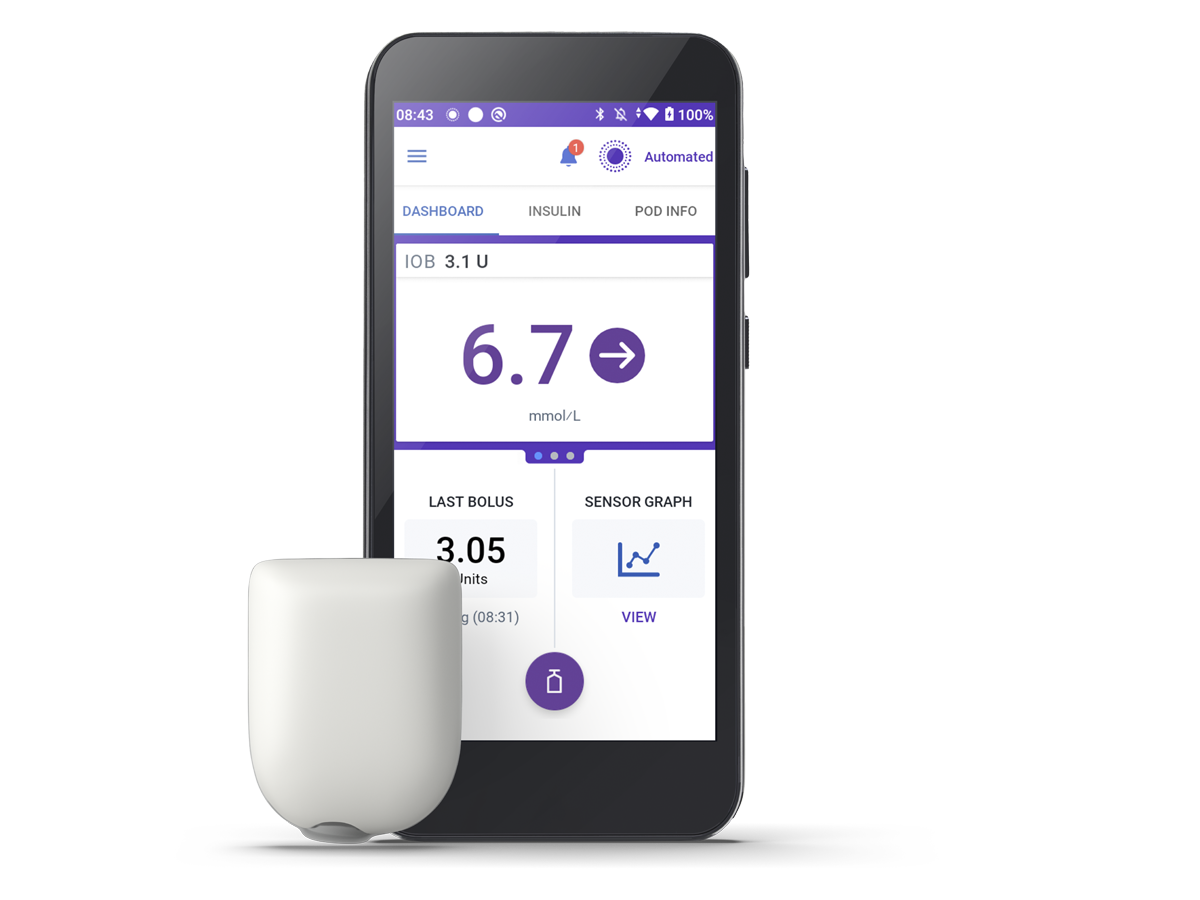
Results of an Australian trial of an automated insulin delivery (AID) system and other studies support likely benefit of AID use for many Australian adults with type 1 diabetes

Less than 20% of Australians with type 1 diabetes (T1D) meet recommended glucose targets. Technology use is associated with better glycaemia, with the most advanced being automated insulin delivery (AID) systems, which are now recommended as gold-standard T1D care. Our Australian AID trial shows a wide spectrum of adults with T1D can achieve recommended targets. Other studies, including lived experience data, are supportive. Insulin pumps are not subsidised for most Australian adults with T1D. We advocate change. 

Dietary patterns during pregnancy and maternal and birth outcomes in women with type 1 diabetes: the Environmental Determinants of Islet Autoimmunity (ENDIA) study

Dietary patterns characterised by high intakes of vegetables may lower the risk of pre-eclampsia and premature birth in the general population. The effect of dietary patterns in women with type 1 diabetes, who have an increased risk of complications in pregnancy, is not known. 

Socioeconomic representativeness of Australian, Canadian and British cohorts from the paediatric diabetes AdDIT study: comparisons to regional and national data

Given limited data regarding the involvement of disadvantaged groups in paediatric diabetes clinical trials, this study aimed to evaluate the socioeconomic representativeness of participants recruited into a multinational clinical trial in relation to regional and national type 1 diabetes reference populations.